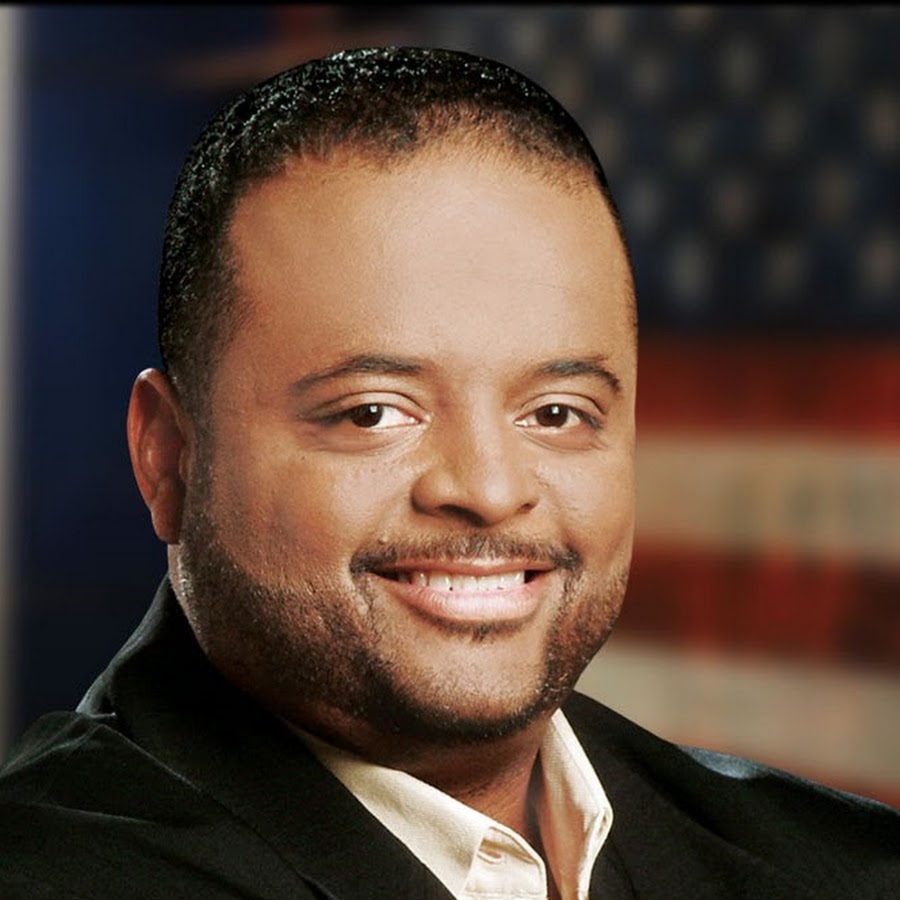
A six-quote theme from a single source — Roland S. Martin’s program, with investigative journalist Greg Palast as the central voice. The argument is that the 2024 result is not a campaign failure that needs autopsying so much as an outcome engineered upstream by voter suppression — purges, ID barriers, ballot rejections — disproportionately targeting Black voters and other voters of color. The study’s job here is not to certify or refute the claim. It is to register that the argument is being made, by whom, and how the rest of the spectrum is engaging with it.
Six quotes, all from one far-left voice. Five disagree with the official “Trump won the campaign” narrative; one expresses partial agreement with the standard reading. The chart is a single-source indictment.
The Palast/Martin frame is specific. “Vote suppression won this election. Trump would have lost except for massive vote suppression.” The argument is structural rather than tactical — the campaigns are not the actor that mattered, the rules of access were.
The center is silent on this theme. Mainstream election analysts in the study reach for turnout, registration, and demographic shift framings — explanations that keep the campaign at the center of the story. The suppression frame removes the campaign as the explanatory variable, and the rest of the spectrum has no incentive to amplify that.
The right is silent for a different reason. The study’s silence from the right on this theme is the predictable shape of an argument that the right has no interest in engaging with on its merits. The argument, in this dataset, lives or dies on the left.
A structural claim with no spectrum
The reason this theme has six quotes and one source is not that the suppression argument is fringe — Roland Martin reaches 1.8 million subscribers and Palast has been making this case for two decades. It is that the structural-rules frame does not metabolize easily in autopsy commentary. Autopsy as a genre is built around questions of strategy and execution. Suppression arguments displace the campaign as the explanatory unit and put the rules of voting in its place. That displacement is not what most of the study is here for.
The editorial 2×2 places this theme in the External × Tactical quadrant: an argument that the party’s loss originated outside the party, in the rules of access. If you accept the frame, the response is not a campaign overhaul; it is sustained organizing on access — purges, ID, mail-ballot rules, registration. The study’s contribution is to mark the position clearly and to show how isolated it is in this dataset. Whether that isolation reflects the strength of the argument or the structure of the genre is a question the data alone cannot answer.
What happened was that vote suppression won this election. Trump would have lost except for massive vote suppression — and what I mean by vote suppression, that's a very polite term for shafting Black people out of their votes, and other people of color, including a lot of young people.